
How to Winter
a guide

Winter begins on December the 21st.
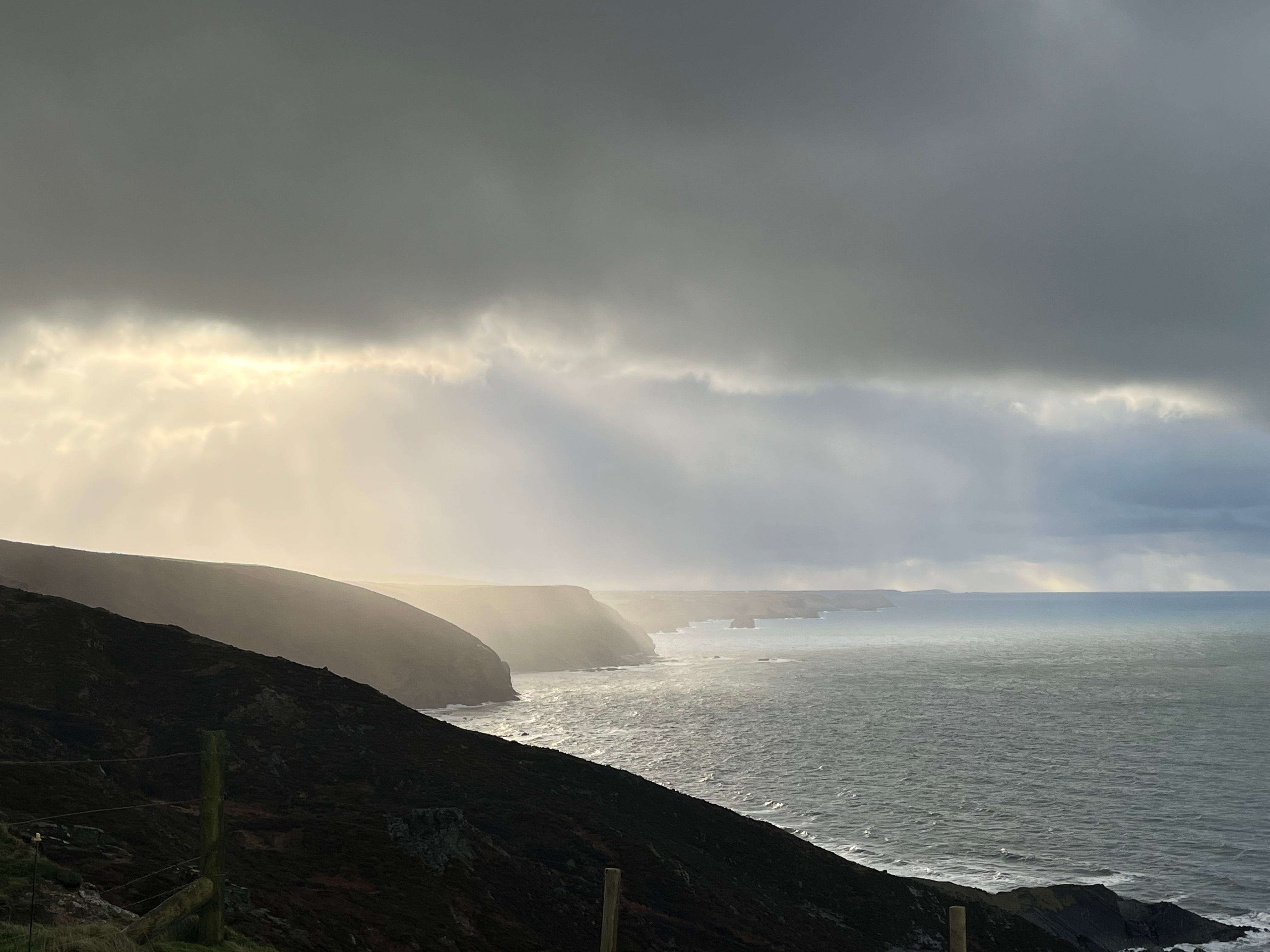
It is not winter just yet, though the season can seem to last forever. It’s the long nights. Slowing down, more time indoors.
This feeling of a never-ending and dreaded winter is a product of our culture’s separation from the seasons. From working against, rushing by, and trying to change them. This is the danger of celebrating Christmas before the pumpkins are even in season, and starting September in Hygge when Summer hasn’t even said farewell.
Winter begins with celebration!
The first day of the season marks the Winter solstice. The shortest, darkest day. This maybe sounds uninspiring or bleak. Winter, for one of its most dreaded traits, is cold. We, like the hedgehogs and dormice, hibernate. It’s still, darker, and it’s quiet. Really though, we should be grateful. Winter offers hope. This is when we begin to welcome the light back. We can start counting up the minutes on the clock instead of taking them away. Soon we can wake up in the light, and walk home in the light.
Slowing down is natural. Sleeping when its dark is normal, and feeling discomfort in the cold is a matter of fact. There is no need to contradict your human nature, rest and rest well. Soak it up, curl into a ball. There doesn’t have to be pressure to be productive. You will need your energy when the days are doubled. We all need time to stop and reflect. Winter is a meditation. Time for taking stock, planning, dreaming. The longer evenings offer time to nest, and there is no shame in doing so.
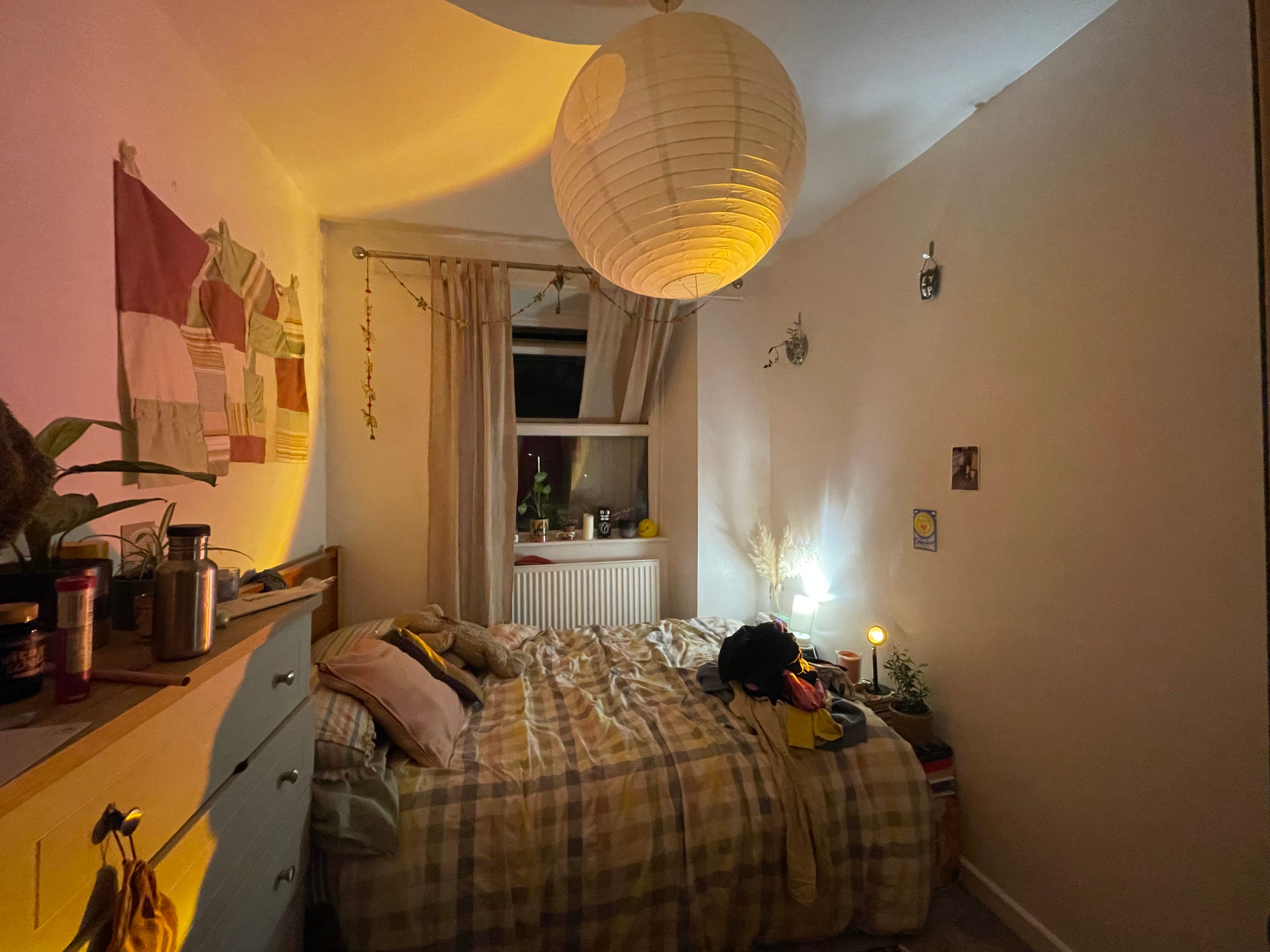
A lot of us get SAD, seasonal affective disorder, the winter blues. A condition where the darkest months put us under a spell of depression. I think the term is obsolete. Language is important. Whatever we speak out loud, or to ourselves is a manifestation of how we feel or think. Even if you speak flippantly or joke. Telling ourselves we are depressed because of the weather doesn’t allow us to overcome it. It seems to be an acceptance, and a validated reason to dread an entire quarter of the year or longer. That’s why its important to live to the rhythm of the seasons, notice your body’s reaction to them, accept it as your normal. You may seem like a different person to the one you were in May and June, and comparative to the detached ideas and expectations around productivity you will seem slower, more insular, quieter. Your body is protecting itself from the bitter winds and biting temperatures. You struggled to wake up and get out of bed because the sky was still indigo, a signal to your body that it’s not time for that yet
Although it would be nice to be able to create new routines and lifestyles for the winter, the structure of the society we live in doesn’t allow for this. In most cases, opening and closing times remain, school days are the same length and we work the same hours. Here are my ideas to stop the loathing and help celebrate the season. It comes around every year, and is unavoidable. This is how to make the most of winter.
Celebrate Solstice
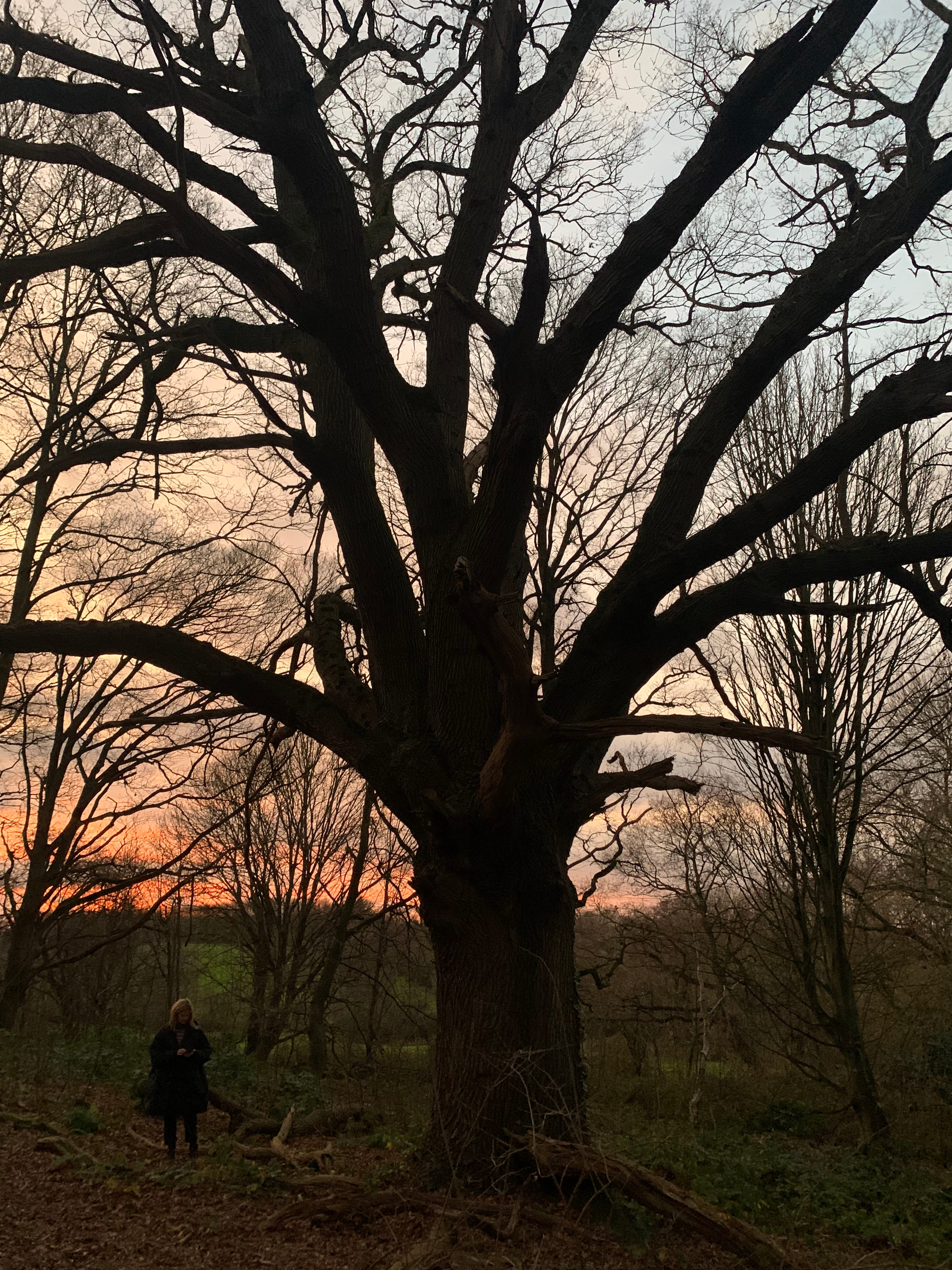
Solstice is the return of the light. Acknowledge this day, you’ve made it through the darkest times, it’s only up from here. Get involved with a local community event, celebrate with close friends or family, or simply practice personal ritual.
In Cornwall, Montol is held in Penzance. A day of traditions and processions to welcome back the sun.
Visit Stonehenge. The stones are free to access to all, to watch as the sun rises and aligns with the henge.
If there is nothing going on near you, or nothing free, find a beautiful place to watch the sun go down, or tie a red ribbon around the branch of a tree. I used to visit Old Knobbly, an 800 year old Oak in Manningtree, Essex.
Get Outside
This is the most important thing to do to get through winter. When it seems hardest to do this, it is the most beneficial. Wrap up warm, no matter the weather. Going outside for 5 minutes is better than not at all. Have no expectations, then any thing you manage to do is a success. Don’t rush getting ready to get outside for winter, with each layer adjust your mindset. Sit and have your cup of tea on the front doorstep. Go for a walk. There’s no such thing as bad weather, just bad preparation. Layer up, waterproofs on.
Any scraps of daylight you can soak up will help your circadian rhthym, help you feel more energised, help you sleep well, especially if you’ve been dozing all day. Plan a route which starts from your doorstep so its low effort to begin. Getting started in the winter is the hardest part. I try to dip in the sea throughout the winter, and include surfing in this. Bring a flask of tea or something hot when you go for afterwards.
Turn Routine into Ritual
Appreciate the smallest things in the coldest season. Enjoy the process of your most mundane or dreaded tasks. Light candles and put the radio on when you clean the kitchen. Notice patterns in the ice, or the clouds. Focus on each task you do, or choose a task to focus on, and don’t let anything distract you. Make your coffee without checking your phone, give yourself time to just be, go through a motion, let your mind wander aimlessly. Winter meditations.
My winter playlist-
Eat Seasonally
This is a celebration of winter with every meal. It’s also nice to be reminded that the earth is not all grey and gloomy. Vegetables are still growing. Use a local vegetable box company or market garden. Celebrate local produce, and local people who have been a part of growing it and getting it to your plate.
A list of seasonal winter fruit and veg:
Kale
Cauliflower and Broccoli
Leeks (Check this Leek, Potato and Chorizo stew by Julius Roberts)
Blood oranges and clementines
Radichio
Carrots (This Ottolenghi recipe as a side)
Cabbages- red, white, savoy
Beetroots
Mushrooms
Squash
Spring Greens (Chickpea and Spring Greens Curry)
Forage
Seasonal eating leads nicely on to foraging. It’s a nice way to get outside regardless of if you come home successful. Even in January, there is wild food to find and eat. Take a guide book, and cross check your finds.

It’s the middle of mussel season! The season ends not long after winter. Collect mussels in all of the months that have an ‘R’ in them. They can be expensive in the supermarkets or restaurants, you can have a bounty for free. Check the water quality in the days leading up to going as you don’t want polluted mussels, and find the best ones below the 1m tide line, so go on a spring tide. The mussels you pick should be minimum 5cm long. Keep them in a bucket of salt water until you are ready to prepare them to keep them fresh. Tap each mussel before you cook it to check it is still good to eat (it should close if it’s open), and clean any barnacles or rip out any beards. Cook!
Three-cornered-leek will start to appear in woodland and warmer valleys, and everywhere else too. Make a pesto or a focaccia.
Sea beet is always around too, and winter mushrooms like jelly ear, oysters, and wax caps, though make sure you know what your eating.
Embrace this winter, please don’t wish it away!
Loved this